
Epoxy and Garage Floor Coating in Pueblo, CO
Diamond ground, crack repaired and finished with a polyaspartic top coat that survives hot tires, mag chloride and a 4,692 foot high desert winter. Garages, basements, shops and patios across Pueblo and Pueblo West.
- Garage floor coating
- Polyaspartic one day
- Basement floors
- Commercial and shop floors
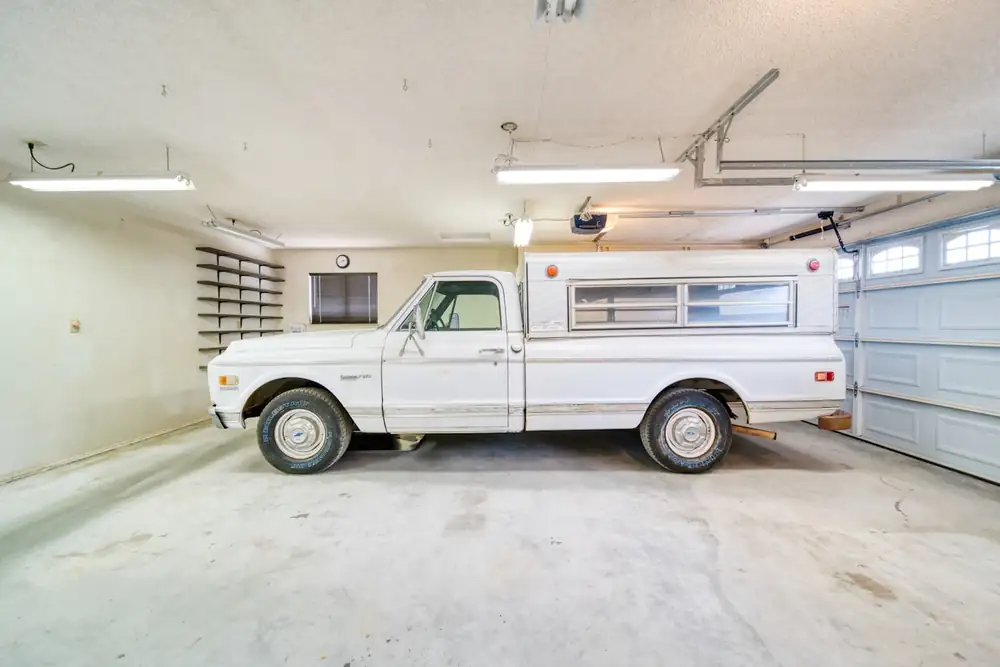
Signs Your Pueblo Garage Floor Needs Coating
Most people call us in March, after a winter of snowmelt and road brine, or in August once the tire tracks show. If you recognize three or more of these, the slab has lost its surface and is drinking everything you spill on it.
- Gray or black patches lifting in the exact shape of your tire tracks
- The parking strip is flaking, pitting or crumbling where snowmelt drips off the car
- Dust on everything in the garage, and a chalky film on your shoes
- Oil, brake fluid and antifreeze stains that will not scrub out of the concrete
- Hairline cracks that have opened up wide enough to catch a broom
- A previous roll on kit that is bubbling, peeling or has gone yellow near the door
- Water beading on the slab instead of soaking in, or the opposite, a patch that stays damp
- The slab is cold, loud and ugly, and the garage has become somewhere you avoid
Concrete Coating Services in Pueblo, CO
Five distinct systems, not one product sold five ways. Which one goes on your slab depends on what the floor has to survive: vehicle traffic and road salt, forklift wheels, patio furniture and full southern Colorado sun, or a basement that has to breathe.

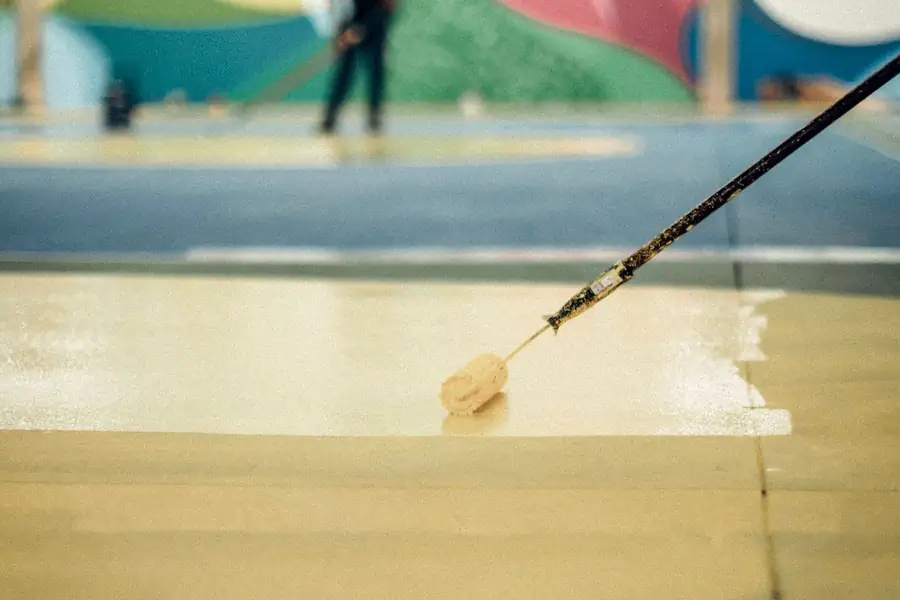
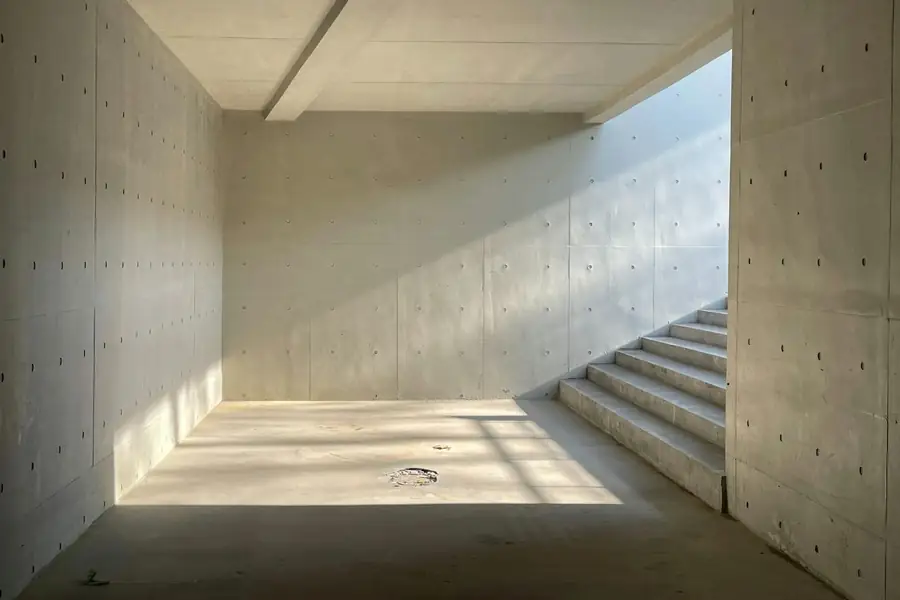
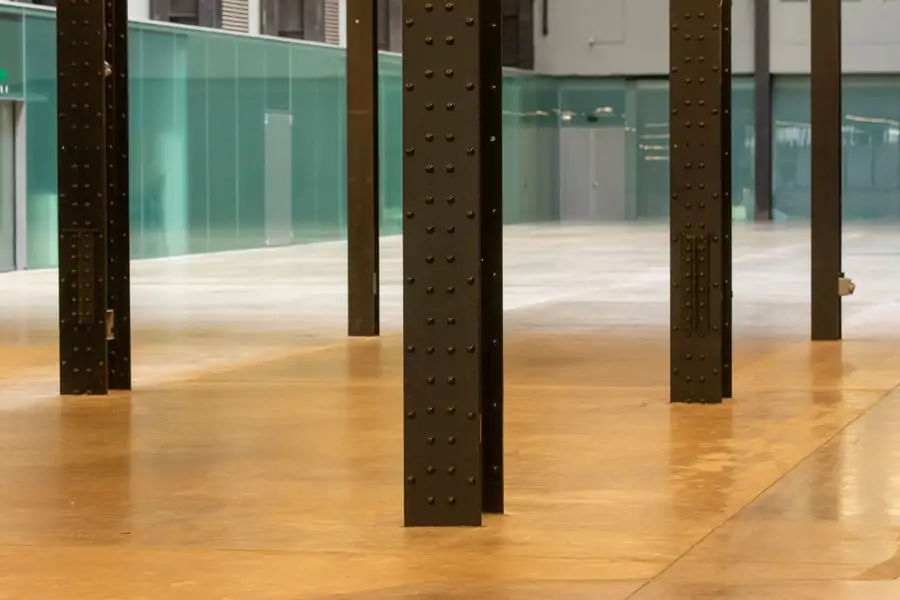
Flake, Solid Color or Metallic: What Suits a Pueblo Garage
The finish is not just a look. It changes how much slab imperfection shows, how much grip you get when a car drips melting snow onto it, and how forgiving the floor is about the grit that comes home from every unpaved lane in the county.
The default for a working garage. The chip layer hides trowel marks, patch lines and old crack repairs, and the texture gives real grip when the floor is wet. Broadcasting to refusal rather than a light scatter is what separates a 15 year floor from a 5 year one.
Cleaner and more industrial. Good for shops and utility rooms where you want to spot a dropped washer on the floor. It shows slab flatness more than flake does, so the grind has to be right.
A showroom finish for a garage that gets treated like a room. It is the least forgiving of substrate flatness and the most sensitive to slab moisture, so we only quote it on a slab that tests clean.
The budget option if your slab is genuinely sound and you only want dust control and stain resistance. It will not hide anything, and it will not stop mag chloride the way a full build will.
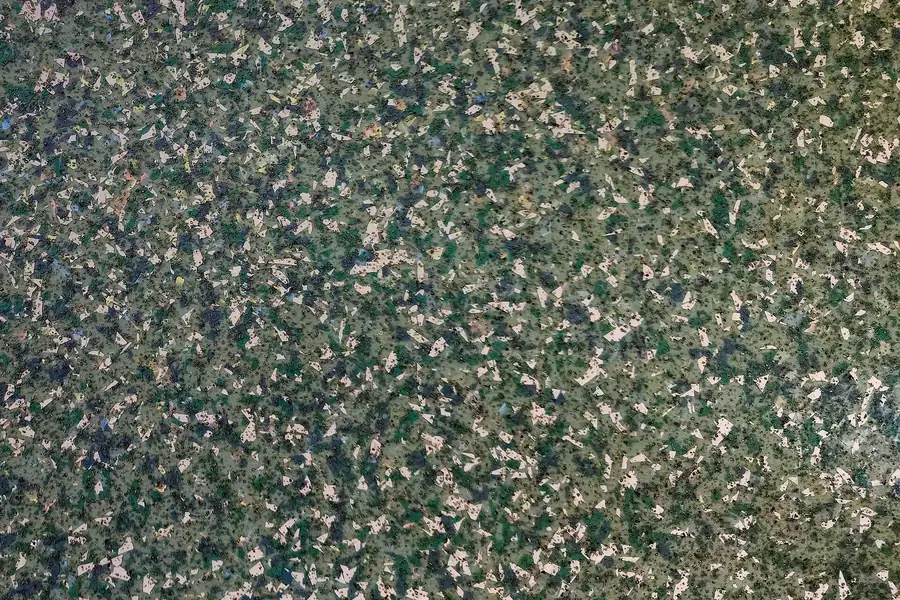
Flake broadcast to refusal, scraped back and locked under two clear polyaspartic coats.
How a Pueblo Floor Coating Job Actually Runs
Four steps, usually one day on site for a residential garage. Nothing here is optional, and the first two are where almost every failed floor in this town went wrong.
Square footage, crack mapping, a moisture check on the slab and a look at what is already down. You get the finish options and a written price, not a verbal ballpark.
Diamond grinders open the concrete to a proper profile and pull the old sealer, paint or failed coating off. Cracks and spalls get filled with polyurea and ground flush.
Pigmented epoxy or polyurea base goes down, then vinyl flake is broadcast to refusal while it is wet. Once cured we scrape and vacuum the surface back flat.
Two clear top coats lock the flake in and carry the abrasion, UV and chemical resistance. Foot traffic in hours, vehicles back in 24 to 72.
A Pueblo Floor Has a Harder Job Than a Denver One
Pueblo sits at 4,692 feet where the Arkansas River meets Fountain Creek, in a cold semi arid climate that gets about 12 inches of rain and 28 inches of snow a year across roughly 3,470 hours of sunshine. That combination is unusual and it is hard on concrete. The slab bakes under an open garage door in July, then drops below freezing overnight on 14 or more days a year. Every one of those swings works the surface.
Underneath, the ground is not doing you any favors either. The USDA established the Denver soil series from the Pueblo Area survey in 1974: a smectitic clay loam carrying more than 35 percent clay to a depth of over 40 inches, with slow to very slow permeability. The Colorado Geological Survey puts the swelling pressure these clays can exert at 20,000 to 30,000 pounds a square foot, and lists heaved and cracked garage and basement floor slabs as the most common visible indicator statewide.
Then there is the winter chemistry. Colorado runs magnesium chloride brine on I-25 and the local road network. It comes home on your tires and sits on the slab where you park. Magnesium ions react with the calcium silicate hydrate that holds cement paste together and convert it into a magnesium silicate hydrate with no binding strength, and the brine also pulls extra water into the pore structure so the next freeze does more damage. That is the mechanism behind the crumbling strip you see in half the garages in Belmont and Bessemer.
We build every floor around those three facts. Mechanical grinding rather than acid etch so the bond is real. Flexible polyurea crack fill so ordinary slab movement does not telegraph straight through. A polyaspartic top coat because it stays flexible, stays UV stable and does not soften under a hot tire. And an honest conversation before we quote if the slab is moving enough that no coating is going to fix it.
Based in Pueblo and working across Pueblo County and the surrounding communities, from Pueblo West and the US-50 corridor down to Colorado City and Rye.
Pueblo Floor Coating Guides
The three things people ask before they call anyone: what it costs here, whether they need a permit, and whether their slab is even a candidate.
Garage Floor Coating Pueblo CO: Frequently Asked Questions
How much does a garage floor coating cost in Pueblo?
Installed coatings in Pueblo run about $5 to $8 a square foot including prep and materials. A standard two car garage of roughly 500 square feet lands between $2,400 and $3,800. A three car at 750 square feet runs $3,500 to $5,600, and a four car or shop at 1,000 square feet runs $4,700 to $7,500. Slab condition moves the number more than anything else: heavy crack chasing, spall repair or an old failed coating that has to come off will push a job toward the top of its band.
Why do garage floors in Pueblo peel in tire tracks?
That is hot tire pickup, and it is the most common coating failure we see here. Standard epoxy softens at sustained temperatures above roughly 140F. After a July run down I-25 your tires are hot, the slab under them is already warm because Pueblo gets about 3,470 hours of sun a year, and the softened film bonds to the rubber and lifts when you back out. Polyaspartic and polyurea stay flexible after cure and do not soften the same way, which is why every garage floor we build here gets a polyaspartic top coat rather than plain epoxy.
Epoxy or polyaspartic, which is better for a Pueblo garage?
For a garage, a hybrid. Epoxy or polyurea makes an excellent base coat because it wets into the ground profile and bonds hard. Polyaspartic makes the better top coat because it is roughly four times more impact and abrasion resistant, it is UV stable so it will not amber where the sun hits through an open door, it cures in hours instead of days, and it will still cure in a cold February garage. Straight epoxy is cheaper and holds up better against a few specific acids, which is why it still makes sense in some shop and commercial settings.
How long will the floor last?
A properly ground and primed polyaspartic system is commonly quoted at 10 to 20 years depending on traffic, and that matches what the specialists working this market publish. The variable is not the product, it is the prep. A roll on kit from a big box store applied over a slab that was only acid etched typically starts lifting inside one to three years in this climate.
Do I need a permit for a garage floor coating in Pueblo?
No. The Pueblo Regional Building Department lists permits for structural and system work: new garages and carports, roofing, decks, and interior remodels such as finishing a basement or changing a floorplan. A floor coating is a finish, not a structural or system change. You do need a permit if you are pouring a new slab, converting the garage into living space, or doing a commercial tenant finish. Our permit guide walks through each case.
Can you coat a cracked or heaved slab?
Cracks get chased open, filled with a flexible polyurea filler and ground flush before any coating goes down, and that handles ordinary shrinkage cracking well. What a coating cannot do is stop a slab that is actively moving. Pueblo County sits on smectitic clay soils, the USDA Denver series was established here in 1974 and carries more than 35 percent clay to a depth of over 40 inches, and the Colorado Geological Survey measures swelling pressures of 20,000 to 30,000 pounds a square foot. If your slab is heaving we will tell you before we quote, not after.
How long before I can park on it?
Foot traffic in a few hours. Vehicles typically 24 to 72 hours depending on the system and the slab temperature. Polyaspartic reaches vehicle ready faster than epoxy, which is why a one day install is realistic for most two and three car garages.
Does the mag chloride off the roads damage a coated floor?
It attacks bare concrete, not a sealed coating. Magnesium ions react with the calcium silicate hydrate in cement paste and convert it to a non cementitious magnesium silicate hydrate, and mag chloride also increases how much water gets pulled into the pores, which makes freeze damage worse. That is exactly why so many uncoated Pueblo garage slabs spall along the strip where the car sits and drips all winter. A coating is the barrier that stops the brine reaching the concrete at all.
Free Written Quote on Your Pueblo Floor
Tell us the space and roughly how big it is. We come out, measure, check the slab for moisture and movement, and give you a written price with the prep scope and the system spelled out. If the slab is not a candidate we will say so rather than sell you a floor that will lift in a year.
- Free on site measure across Pueblo and Pueblo West
- Written scope and price, not a verbal ballpark
- Moisture and crack assessment included
- Most residential garages install in a single day
Stop looking at that slab
Garages, basements, shops and patios across Pueblo, Pueblo West and Pueblo County. Free written quote, no obligation.